The Higher Line
Read this before listening to the song.
------------------------------------------------------
Here you have something amazing.
Allen has written the music,
but ChatGPT totally wrote the lyrics,
every word,
without any prompts by Allen.
Before these lyrics were written,
The upcoming blue text was all written
by ChatGPT. First,
ChatGPT told me, the following:
"I’ll approach it the way you asked:
by comparing long-term outcomes in societies
that formally promoted state atheism
versus those shaped by biblical moral frameworks,
while acknowledging complexity and limits."
Case 1: State-sponsored atheism
(20th-century examples)
Key examples:
Soviet Union
People's Republic of China
Cambodia
North Korea
Stated moral basis
Ethics derived from human reason,
party ideology, or “historical necessity.”
No appeal to transcendent moral authority.
The state becomes the highest moral judge.
Long-run outcomes observed:
Strengths
Rapid industrialization (USSR, China)
Strong social discipline
High literacy and technical education in some periods
Systemic weaknesses
Moral relativism enforced by power
“Right” becomes what serves the revolution or the state
No higher standard to judge the state itself
Human life easily subordinated
Tens of millions died under explicitly atheist regimes.
Purges, gulags, forced famines justified as “necessary"
No internal brake on abuse
When the state defines morality, dissent becomes immoral
Correction requires collapse, not reform.
Spiritual vacuum
These systems often replaced God with:
Party, Leader, Nation
Result: quasi-religious authoritarianism
Historical pattern
State atheism tends to produce order without mercy
and progress without dignity, until fear replaces trust.
Case 2: Societies shaped
by biblical moral frameworks
Key examples:
United States
United Kingdom
Netherlands
Norway
(Note: many are now secular, but their moral and legal DNA is deeply biblical.)
Moral Foundation
Human beings possess inherent worth
Moral law exists above rulers.
Justice, mercy, repentance, and forgiveness are virtues.
Power is accountable to God or moral law.
Long-run outcomes observed
Strengths
Human dignity as a baseline
Abolition of slavery
Human rights doctrine
Rule of law over rulers
Self-correction mechanisms
Reform movements (civil rights, labor protections)
Moral critique possible from within the system
Stable trust culture
High social trust correlates strongly with Judeo-Christian ethics
Charity, volunteerism, and civic responsibility flourish
Freedom with restraint
Individuals are free—but not morally untethered
Failures acknowledged
Religious hypocrisy
Abuse of power using religious language
Periods where institutions failed
to live up to their own moral ideals.
But critically:
These failures were typically condemned
using biblical moral arguments, not justified by them.
The key difference
(this is the heart of the answer)
In atheist systems:
Morality flows upward from human.
The state cannot be morally wrong—only inefficient.
Correction requires revolution or collapse
In biblical moral systems:
Morality flows downward from transcendent law
The state can be sinful, unjust, and accountable
Reform can happen without destruction
That difference matters enormously over centuries.
What history suggests (not ideology)
If we judge by:
Longevity
Human dignity
Capacity for reform
Resistance to totalitarianism
Flourishing of creativity, science, and charity
Then history strongly suggests:
Societies grounded in biblical concepts
of right and wrong
—tempered by reason and law—
have proven more stable,
humane, and self-correcting
over the long run than societies
grounded solely in human authority.
This does not require theocracy.
It requires a moral ceiling above power.
A concise conclusion
State-sponsored atheism
tends toward control, coercion, and moral brittleness.
Biblically influenced moral frameworks
tend toward dignity, reform,
and long-term trust
—even when belief declines.
Or said plainly:
When humans believe they answer only to other humans,
power eventually replaces conscience.
When humans believe they answer to a higher moral law,
power remains restrained—even imperfectly.
Country
Verse 1
We built our world with careful hands,
Wrote our rules in ink and stone,
Said we’ll choose what’s right and wrong,
Leave the rest to time alone.
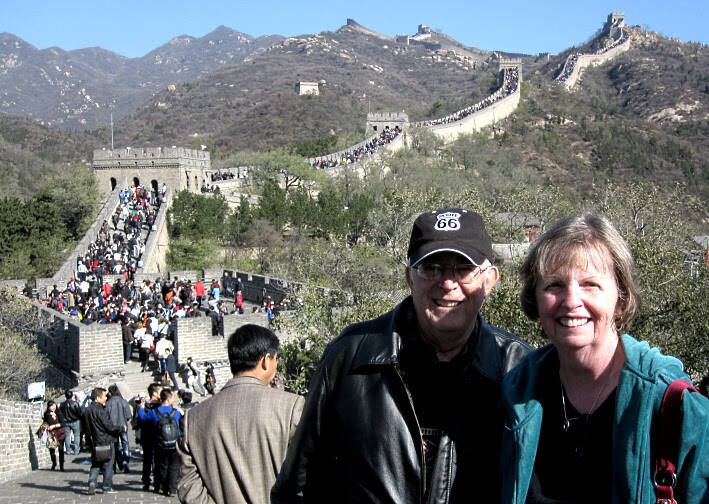
China
Verse 2
When power speaks, it fills the room,
And truth grows quiet, pushed aside,
Right gets shaped by who’s in charge,
And conscience learns to compromise.

Middle School Children Being Trained for the Military
Verse 3
Some crowned the state and called it truth,
Said heaven was a childish dream,
They traded souls for ordered lives,
And paid in blood for perfect schemes.

College Students Being Trained for the Military
Verse 4
Others leaned on ancient words,
Older than the throne or crown,
They fell and failed, but still they heard
A voice that called them back around.
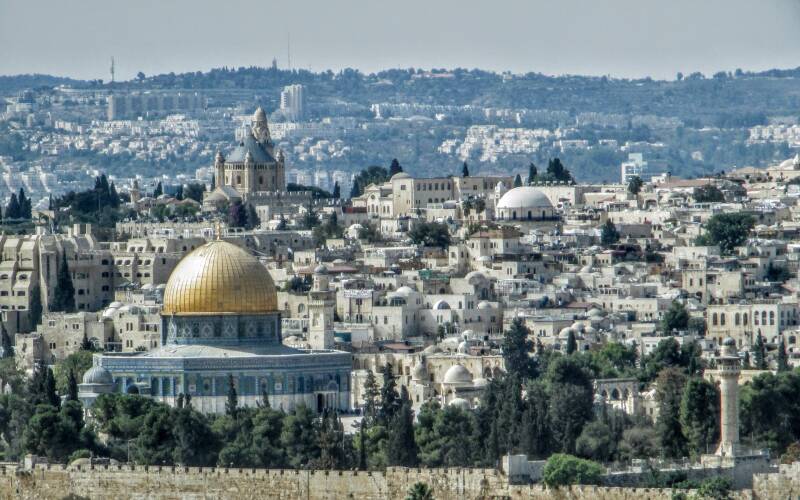
Jerusalum. A Society Built on Religious Values
There’s gotta be a higher line,
Above the crown, above the gun,
A law that even power must face
When all the harm is done.
If right and wrong are ours alone,
Then mercy’s paper-thin,
But justice stands the test of time
When it answers Him.
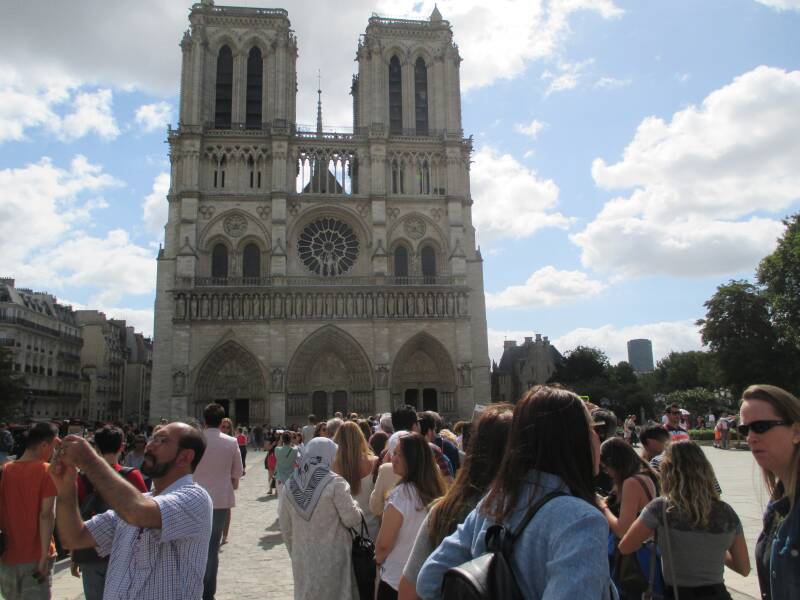
France. A Society Built on Religious Values
There’s a higher line—don’t cross that line,
No throne decides what’s true,
There’s a higher line—don’t cross that line,
It’s standing over you.
When lies wear crowns and truth runs thin,
That line still holds you in,
There’s a higher line—don’t cross that line,
We all answer Him.